Wisdom teeth, which typically make their appearance between the ages of 17 and 25, can cause significant problems when there is not enough room for them to grow in properly. As a person ages, the effects of retained and impacted wisdom teeth can be more consequential. This article reviews the issues associated with wisdom teeth and whether or not they should be removed...
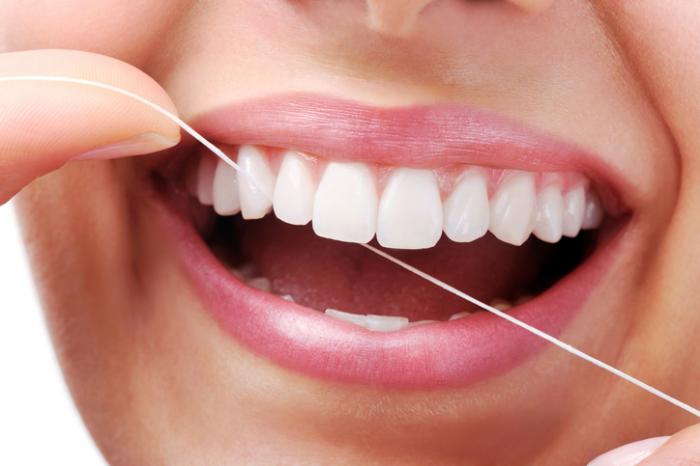
Use the most effective dental floss. There are several varieties available and you can choose the one that best matches your personal preference, including waxed, unwaxed, flavored and unflavored.
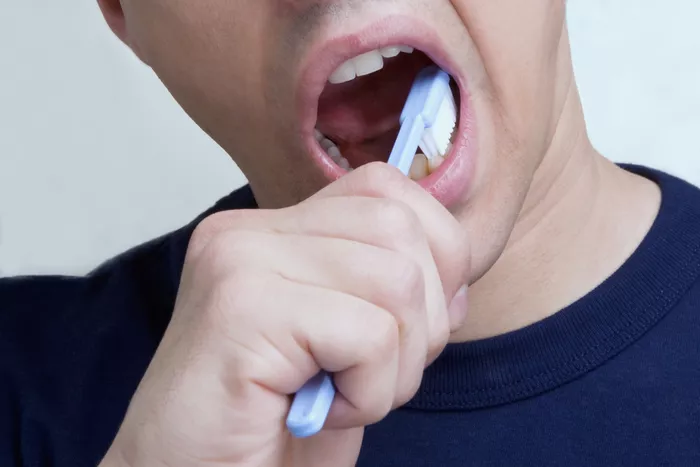
Use a good toothbrush. Choose a toothbrush with soft nylon bristles. This must effectively remove plaque and debris from your teeth, without irritating the gums or eroding tooth enamel like hard-bristled brushes can do when used with sideways action.
تزال القشرة الخارجية عن أحد طرفي السواك بمقدار واحد سنتيمتر بشكل دائري، ثم يبرى الطرف الآخر للسواك وذلك ليكون حادا دقيقا يصلح نكاشة لإزالة بقايا الطعام العالق بين الأسنان
. يوضع الطرف الذي أزيلت قشرته بين الأرحاء العلوية والسفلية ويمضغ قليلا حتى تظهر الألياف الموجودة تحت القشرة والتي تختزن فيها المواد المفيدة لأنسجة الفم والأسنان.
Siwak as an Oral Hygeine Aid in Patients with Fixed Orthodontic Appliances ( Dr. Raed M. Abutteen Master Theses)
10 MAR , 2018
Siwak as an Oral Hygeine Aid in Patients with Fixed Orthodontic Appliances Master Thesis by Dr. Raed M. Abutteen Mechanical removal of plaque and calculus has a long history. Toothpicks made of silver and gold were customarily buried with the bodies of Sumerians around 300 B.C.. Hippocrates (460-377 B.C.), the founder of modern medicine, wrote about the importance of keeping teeth free of deposits. Prophet Mohammad (peace be upon him) (570-630 A.D.) strongly recommended cleaning the teeth using a special Siwak wood stick before praying, sleeping, giving a speech, after waking up and eating. Chewing or brushing sticks have been used for centuries, in tropical regions of Asia, Africa and the Americas for dental cleaning purpose and for preventive oral health.
Cavities are small holes in your teeth caused by decay. Food debris and bacteria in your mouth can form a film on the teeth. This film is known as plaque. If not removed, it will cause tooth decay. Plaque can be easily formed in places, such as cracks in the teeth, gum line, space between the teeth, and around chipped teeth.
It’s common for taste buds to change as you age, but sometimes ongoing changes in taste can be signs of health conditions. One of these occurrences is a persistent salty taste. If your mouth tastes salty when you haven’t eaten salty foods or food with other flavor profiles just tastes salty to you, it’s worth considering whether there’s an underlying cause
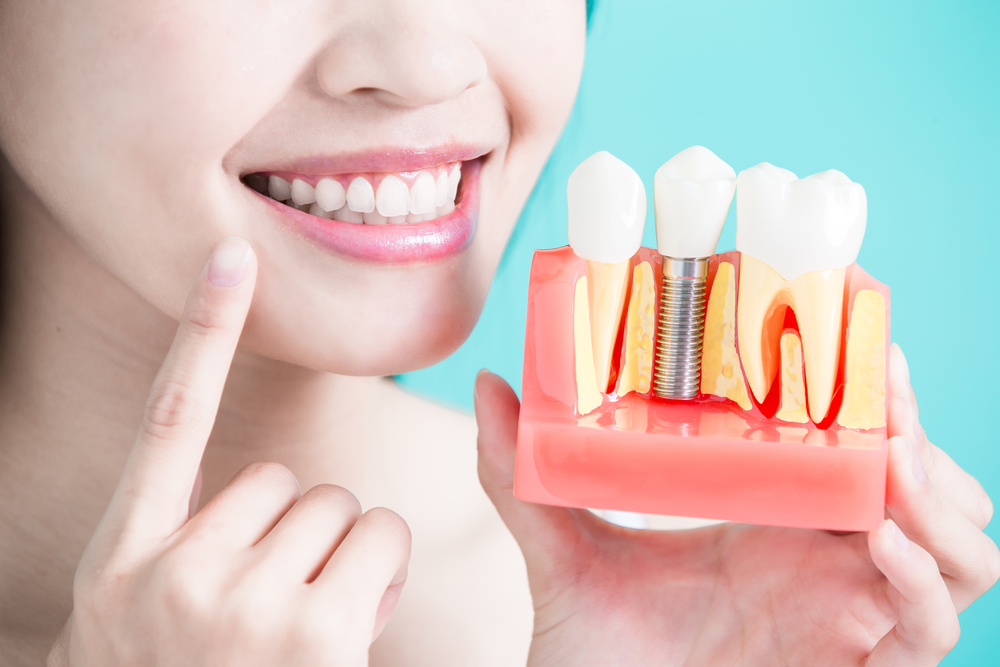
The goal of modern dentistry is to restore the patient to normal contour, function, comfort, esthetics, speech, and health whether restoring teeth with caries or replacing an entirely missing tooth. This makes implant dentistry unique as it enables one to achieve these goals. But what is a dental implant and how does this work? Is it an affordable option or will it burn a hole in your pocket? Let’s discuss some aspects of the implants in this article.
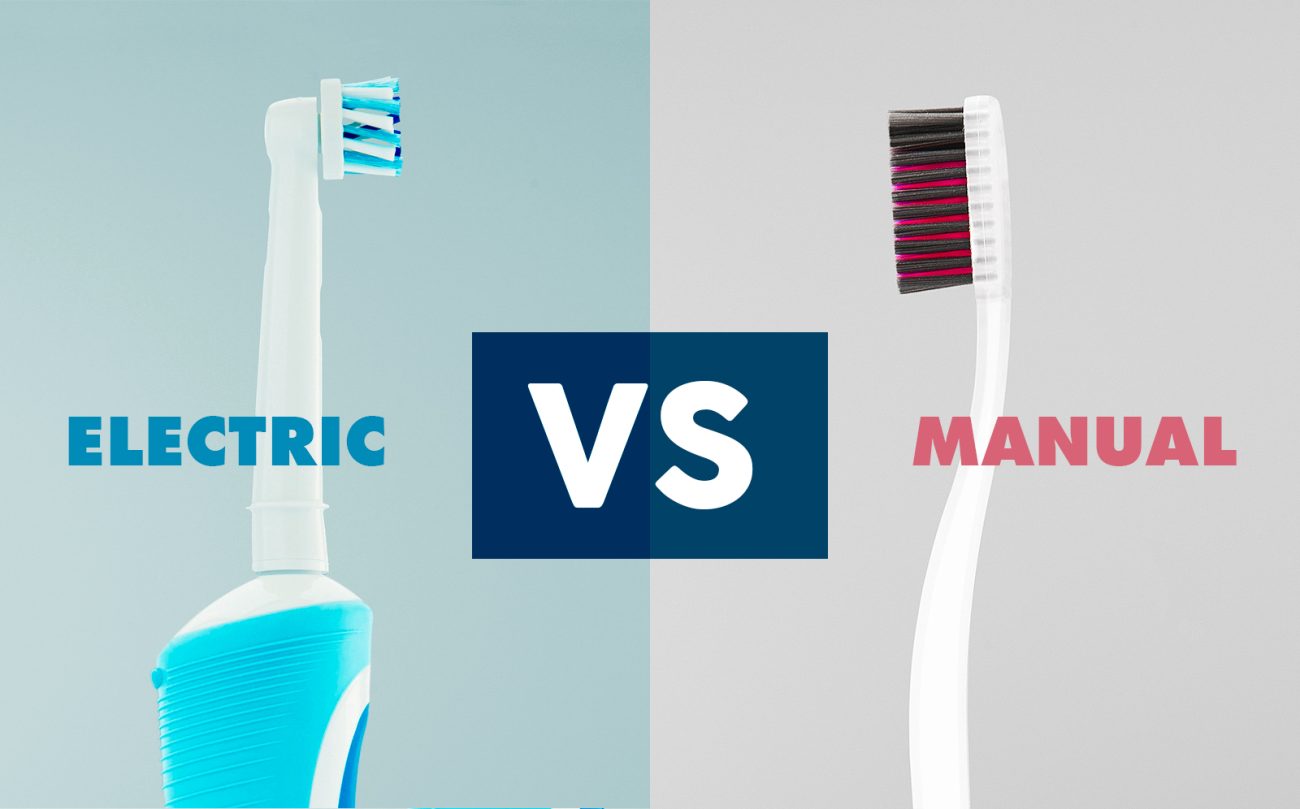
Electric Toothbrush vs Manual Toothbrush –Dentists’ Verdict
10 MAR , 2018
Bacteria in our mouths create a 'biofilm' around our teeth . The build up of this biofilm occurs in hours, and this is called plaque. The bacteria in plaque erode our teeth (dental decay) which causes holes in our teeth (dental caries). They also cause gum disease (gingivitis), which you may notice as occasional bleeding when you brush. Bleeding can be caused by excessive hard brushing, which is why smart brushes have flashing lights to tell you when you are brushing too hard.
The Common Causes of Mouth Ulcers and their Treatment
18 JAN , 2018
Mouth ulcers are very irritating, as they cause difficulty in consuming your favorite meals and even speaking. At Dr. Raed M. Abutteen Dental Center, we will discuss the common causes of mouth ulcers and suggest ways to treat them.
Mouth health is essential to general health and wellbeing at every stage of life. A healthy mouth enables not only nutrition of the physical body, but also enhances social interaction and promotes self-esteem and feelings of well-being.