
 Botox is a natural purified protein that is used to temporarily relax muscles. The extracted protein “Botulinum Toxin” which is available in the market is a purified toxin of a bacteria called Clostridium Botulinum. It is interesting to know that the idea for a possible therapeutic use for botulinum toxin was first developed by the German physician Justinus Kerner (1786-1862). He concluded that the toxin acted by interrupting signal transmission within the nervous system, leaving sensory transmission intact. He called the toxin a “sausage poison,” because it was observed that illness followed ingestion of spoiled sausage. In 1870, John Muller, another German physician, coined the name “botulism” (from the Latin root botulus, which means “sausage”). In 1949, Burgen was the first to discover that the toxin was able to block neuromuscular transmission. Different strains of this protein were identified and one strain was initially approved by the US Food and Drug Administration (FDA) in 1989 under the trade name Botox® (Allergan, Inc, Irvine, Calif) for the treatment of spasm of the eyelids, uncontrolled eyelid movements and other eye muscle issues. Botulinum toxin is in fact the first toxin to be accepted for therapeutic uses. In 2002 it was FDA approved for severe frown lines and then FDA approved for crow’s feet in 2013. Since the first therapeutic use till today, the spectrum of its medicinal applications has widened.
Botulinum toxin may be used for a variety of disorders ranging from pain management to the treatment of tremors and tics, to the improvement of the appearance of dynamic facial wrinkles. Historically, the widespread use of botox for cosmetic reasons began in 1995. Since then many other uses have been discovered, including the treatment of excessive axillary sweating, uncontrolled eye twitching, Prophylaxis of headaches in adult patients with chronic migraines, carpal tunnel affecting the hand wrist joint,
Botox is a natural purified protein that is used to temporarily relax muscles. The extracted protein “Botulinum Toxin” which is available in the market is a purified toxin of a bacteria called Clostridium Botulinum. It is interesting to know that the idea for a possible therapeutic use for botulinum toxin was first developed by the German physician Justinus Kerner (1786-1862). He concluded that the toxin acted by interrupting signal transmission within the nervous system, leaving sensory transmission intact. He called the toxin a “sausage poison,” because it was observed that illness followed ingestion of spoiled sausage. In 1870, John Muller, another German physician, coined the name “botulism” (from the Latin root botulus, which means “sausage”). In 1949, Burgen was the first to discover that the toxin was able to block neuromuscular transmission. Different strains of this protein were identified and one strain was initially approved by the US Food and Drug Administration (FDA) in 1989 under the trade name Botox® (Allergan, Inc, Irvine, Calif) for the treatment of spasm of the eyelids, uncontrolled eyelid movements and other eye muscle issues. Botulinum toxin is in fact the first toxin to be accepted for therapeutic uses. In 2002 it was FDA approved for severe frown lines and then FDA approved for crow’s feet in 2013. Since the first therapeutic use till today, the spectrum of its medicinal applications has widened.
Botulinum toxin may be used for a variety of disorders ranging from pain management to the treatment of tremors and tics, to the improvement of the appearance of dynamic facial wrinkles. Historically, the widespread use of botox for cosmetic reasons began in 1995. Since then many other uses have been discovered, including the treatment of excessive axillary sweating, uncontrolled eye twitching, Prophylaxis of headaches in adult patients with chronic migraines, carpal tunnel affecting the hand wrist joint,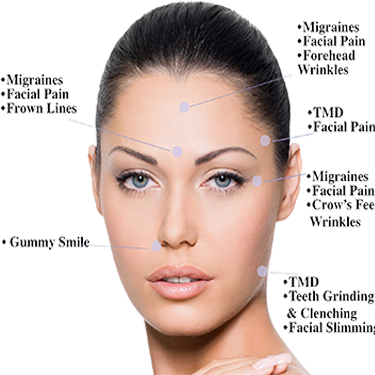 incontinence (Overactive bladder associated with a neurologic condition, depression, trigeminal neuralgia and many other medical conditions.
 In the past, its use in dentistry has been focused on relaxing overactive muscles around the jaw joint that cause chronic jaw pain. Its use however, was extended in dentistry for the treatment of conditions, such as abnormal clenching, myogenic temporomandibular disorder (TMJ Disorder), trismus (muscle spasm) and the associated headaches, as a new option for symptom relief in patients in whom conventional treatments are not effective.
Most people are surprised to learn their dentist administers botox because in the past only medical professionals where qualified to do so. However, dentists with some extra special training and their understanding of facial anatomy and proficiency with injections makes them ideal botox providers. Botox, when used to improve esthetics, falls into the category of “Facial Rejuvenation”, along with other procedures such as Dermabrasion and Dermal Fillers. When properly administered, it relaxes overactive muscles that cause wrinkles, creating a smoothed, improved, and more youthful appearance. Patients who are concerned about their dental health and their smile also care about the way they look. This allows dentists to target muscles around the mouth, face, and neck, changing not only the look of a smile but also of the rest of the face.
The horizons of botox treatment options in dentistry are broadening rapidly and are gaining momentum. It has been documented to be successful in a variety of conditions offering a transient, reversible, relatively safe treatment option to many conditions of interest to a dental practitioner. Dental surgeons with minor skill enhancement can actually widen the perspective of alternative, minimally invasive options to refractory conditions or invasive protocols.
Although several brands of muscle relaxant botox injections exist, they each contain the same active ingredient, Botulinum Toxin A. Out of all the preparations available in the market, Botox® has received maximum approvals worldwide and is the most commonly used. They contain sterile proteins that inhibit muscle contraction, reducing its strength. Accordingly, botox main use in dentistry is to the following procedures;
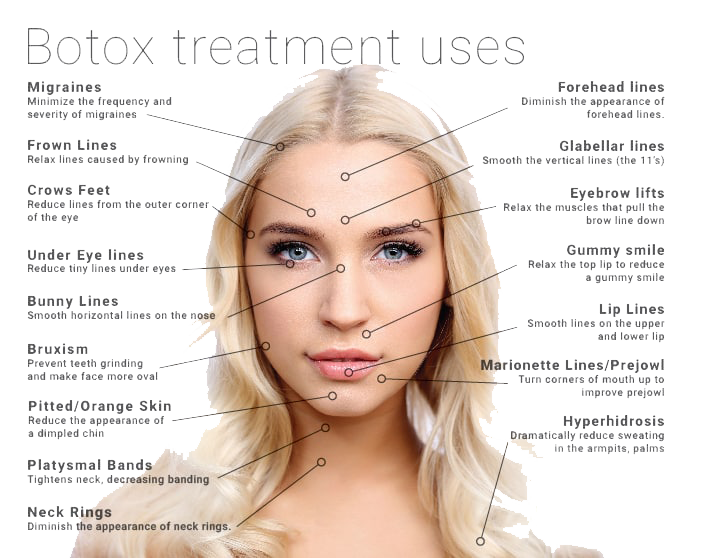 If you’re out there suffering from TMJ pain or clenching and grinding, similar to many people, or complaining of a gummy smile, just know there are different things we can do to help you here at Dr. Raed M. Abutteen Dental Center. One of the best parts about Botox is it’s very pain-free, very quick (whole process takes about 5 or so minutes), and you can really see real quick results. Chemo-denervation using botulinum toxin is useful in many of the conditions of dentistry. It should noted however, that the controlled use of this therapy is more important rather than its radical use as is happening in many clinics.
At Dr. Raed M. Abutten Dental Center, we stay at the cutting edge of technological and surgical developments to offer our patients the best possible recommendations, treatments, experience and outcomes. Visit us and note the difference.